NeilKant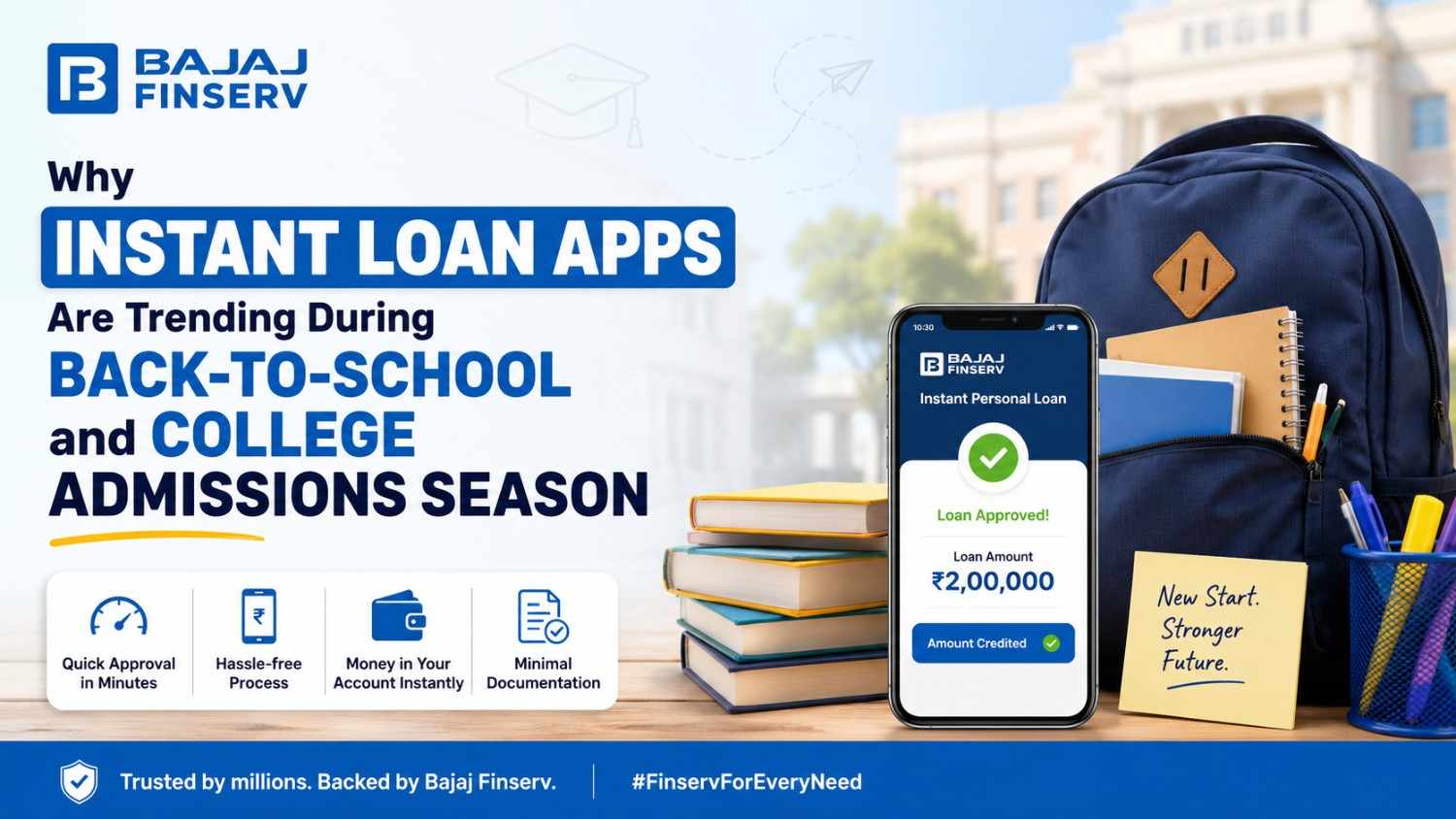
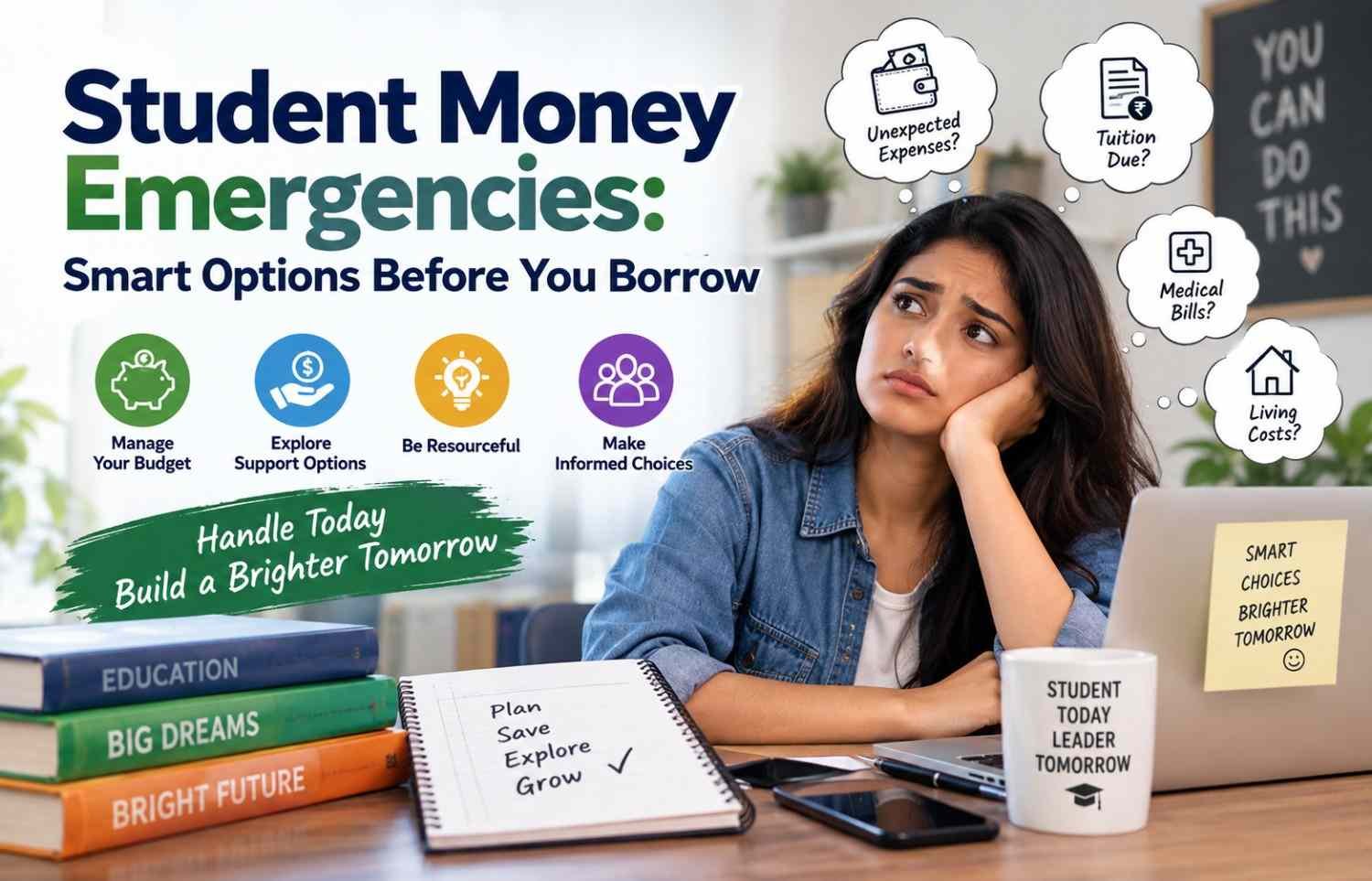
The academic season in India no longer arrives quietly. It usually comes all at once. Admission forms. Tuition deposits. Hostel payments. New laptops. Coaching fees. Travel bookings. Uniforms. Books. And somehow, most of these expenses land within the same few weeks.
Even financially stable families sometimes feel temporary pressure during this period because the outflow happens so quickly. That’s one reason usage of every major instant loan app rises sharply during school reopening and college admission months across India.
Earlier, families mostly relied on savings or traditional borrowing in such situations. Today, the behaviour looks different. More borrowers now use structured digital credit through a loan app to spread education-related expenses into manageable EMIs rather than exhausting their liquidity immediately.
And honestly, the shift is not only about speed anymore.
It’s also about convenience, flexibility, and maintaining financial stability during high-expense periods.
Education season creates short-term financial pressure very quickly
This happens more often than people admit.
A family may suddenly need funds for:
- Admission confirmation fees
- Semester tuition
- Hostel deposits
- Relocation expenses
- Books and academic supplies
- Laptop or tablet purchases
Individually, these expenses may feel manageable.
Together, they become heavy.
For example, parents managing admissions for two children simultaneously may face a significant financial outflow within a single month. In situations like this, a loan app personal platform often serves as a temporary financial balancing tool rather than just for emergency borrowing.
The idea is not always “lack of money.”
Sometimes it is simply about managing timing.
Instant loan apps became popular because traditional borrowing feels slower
Timing matters a lot during admissions.
A delayed fee payment can affect:
- Seat confirmation
- Hostel allocation
- Scholarship deadlines
- Course registration
That urgency changed borrowing behaviour significantly.
Traditional lending often involves:
- Branch visits
- Physical paperwork
- Longer approvals
- Multiple verification stages
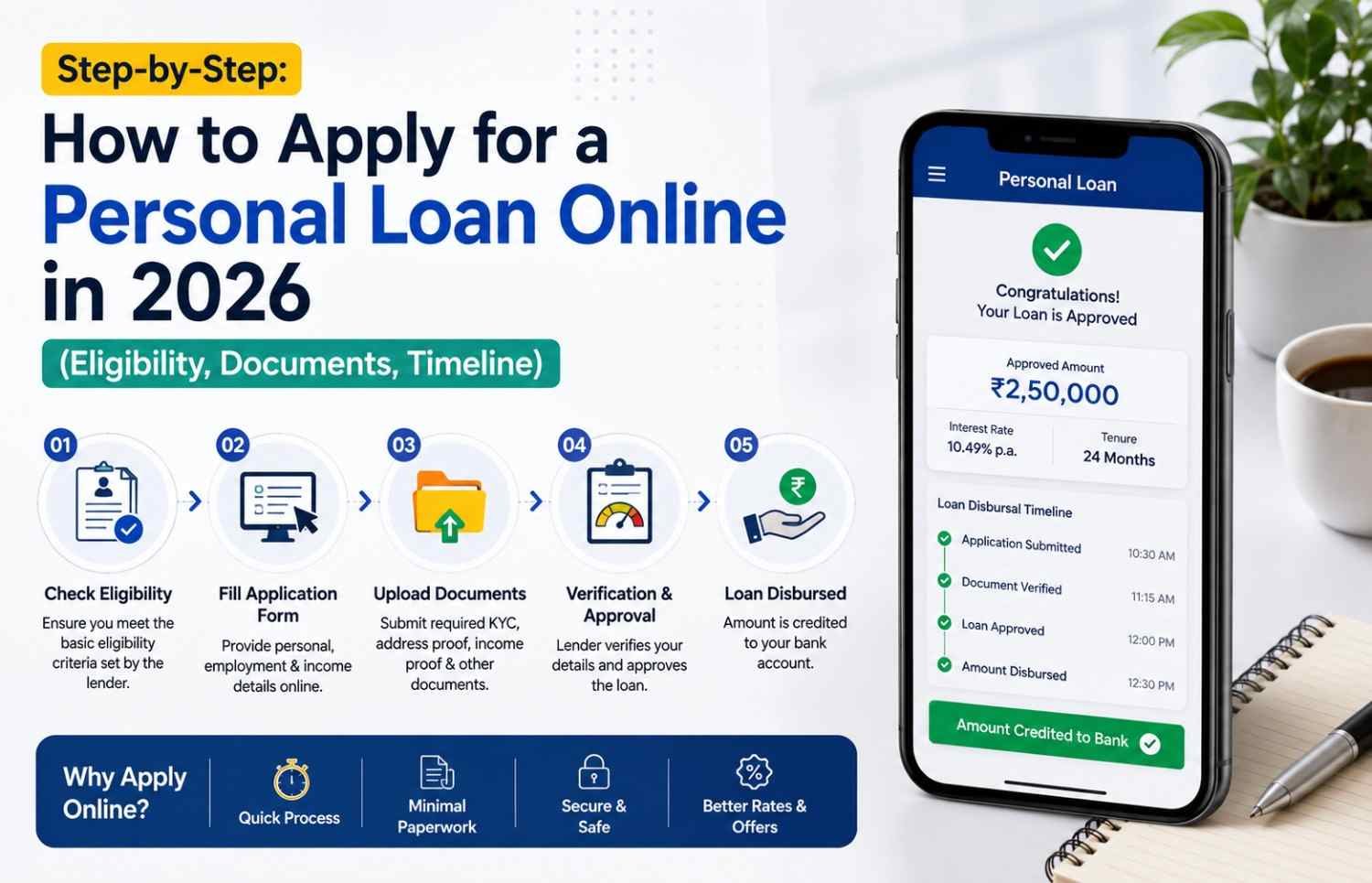
A modern instant loan process usually feels much simpler because borrowers can:
- Apply digitally
- Upload documents online
- Complete paperless KYC
- Track approval inside the app
Platforms like Bajaj Finserv helped popularise this transition by making app-based borrowing more accessible during urgent financial situations.
For many working parents, convenience itself became a major deciding factor.
Borrowers increasingly use loans to preserve savings, not replace them
This is an important behavioural change.
Earlier, people often believed taking a loan automatically meant financial weakness.
Now the mindset looks more practical.
Many households intentionally preserve emergency funds for:
- Healthcare crises
- Job uncertainty
- Long-term investments
- Family emergencies
Instead of draining all available savings during the admissions season, borrowers sometimes prefer to use an instant loan app to spread educational expenses over time through structured repayment.
That keeps liquidity available for genuinely unpredictable situations later.
And honestly, maintaining financial flexibility during expensive periods can be more valuable than avoiding short-term borrowing completely.
Also Read: 5 Ways Accountants Help Reduce Financial Stress For Clients
Flexible EMIs matter more than maximum loan amounts
Many first-time borrowers misunderstand this. They focus heavily on approval eligibility while ignoring repayment comfort. But the repayment structure usually determines whether a loan remains manageable later.
A properly planned loan allows families to:
- Divide larger expenses across months
- Align EMIs with salary cycles
- Reduce immediate financial pressure
- Maintain smoother monthly budgeting
For example:
- Shorter tenure reduces overall interest
- Longer tenure lowers monthly EMI burden
The smartest borrowers usually choose repayment structures based on realistic affordability, not maximum eligibility.
That difference matters heavily later.
Students and younger borrowers are becoming more comfortable with digital lending
This shift is extremely visible now. Many younger borrowers already manage:
- Payments digitally
- UPI transactions
- Online subscriptions
- Mobile banking
So naturally, using a loan app feels more intuitive compared to visiting physical branches.
Students relocating for college often use digital borrowing for:
- Hostel deposits
- Laptop purchases
- Initial setup costs
- Emergency relocation expenses
The process feels faster and more familiar because the entire journey happens online.
That digital comfort is one of the biggest reasons younger borrowers increasingly prefer an instant loan app over traditional offline systems.
Responsible borrowing still matters during admissions season
This part gets ignored too often.
Admission periods can become emotional and stressful. Parents want the best for their children, which sometimes leads to impulsive borrowing decisions.
A borrower may suddenly take:
- Higher loan amounts
- Multiple simultaneous loans
- Longer tenures than necessary
simply because approvals feel easy digitally.
That creates repayment pressure later.
A healthier approach usually involves:
- Calculating exact educational expenses first
- Borrowing only what is genuinely required
- Keeping EMI affordable
- Avoiding unnecessary lifestyle spending inside the same loan
The strongest borrowing decisions usually remain practical, not emotional.
Transparency matters more than fast approval
Fast approval alone is no longer enough. Borrowers today increasingly evaluate whether a loan app personal platform clearly explains:
- Processing fees
- Interest rates
- Penalty structures
- EMI schedules
- Total repayment amount
RBI digital lending guidelines also emphasise transparency and responsible lending practices for regulated platforms.
That’s important because financially informed borrowers now care not only about access to credit but also about properly understanding the repayment obligation before accepting it.
Digital lending is changing how Indian households manage planned expenses
This is no longer limited to emergencies.
Many families now use structured digital credit for:
- Education expenses
- Travel bookings
- Appliance purchases
- Healthcare costs
- Short-term cash flow management
The role of an instant loan gradually shifted from “last resort borrowing” to planned financial flexibility.
And that shift says a lot about how digital finance behaviour is evolving in India.
Borrowers should still evaluate platforms carefully
Not every platform works the same way.
Before using any instant loan app, borrowers should verify:
- RBI-regulated lending partnerships
- Fee transparency
- Customer support quality
- Repayment flexibility
- Digital security standards
The convenience of digital borrowing should never replace proper financial caution.
Trust matters heavily while borrowing online.
Smaller education loans can also help build credit history
This is another interesting shift.
Today, several first-time borrowers start with smaller structured education-related loans.
When repaid consistently and on time, these repayments may gradually help build:
- Credit history
- Financial discipline
- Future borrowing eligibility
For younger borrowers, responsible repayment behaviour early in life can become financially valuable much later.
That part often gets overlooked initially.
Conclusion
The growing popularity of every major loan app during school reopening and college admissions season reflects a much larger shift in Indian financial behaviour.
Families today increasingly prefer structured digital borrowing because it helps manage temporary education-related expenses without completely disrupting long-term financial stability or emergency savings. Faster approvals, paperless onboarding, flexible EMIs, and digital repayment tracking made the modern instant loan app ecosystem far more practical for time-sensitive situations like admissions and relocation expenses.
At the same time, responsible borrowing remains critical.
The smartest borrowers are usually not the ones taking the biggest approvals. They’re the ones using a structured instant loan thoughtfully, keeping repayment manageable, and borrowing only what genuinely supports their financial priorities.