NeilKant
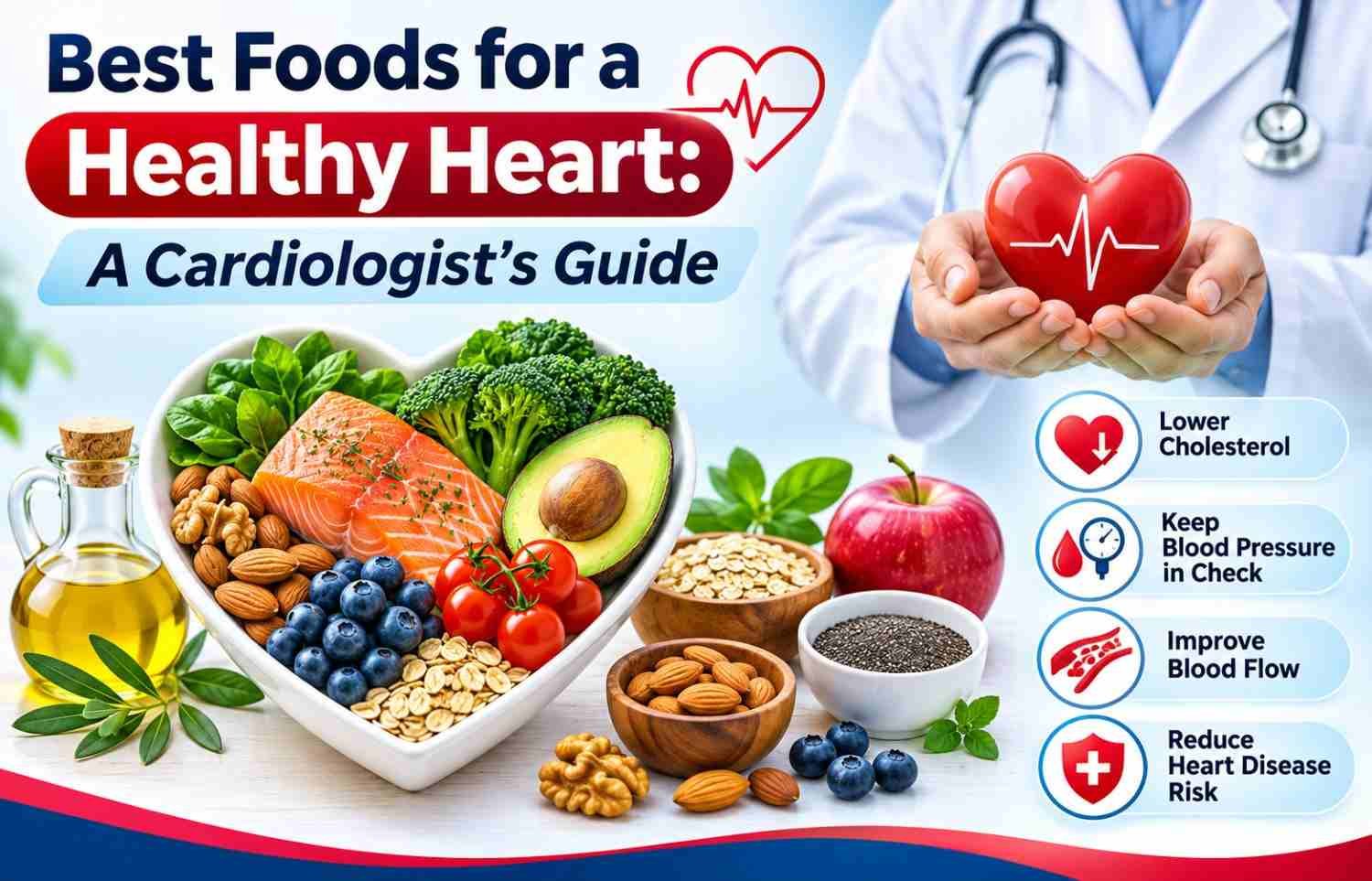
Heart health plays an important role in maintaining overall well-being. Your heart works continuously to pump blood, supply oxygen, and deliver essential nutrients throughout the body. However, unhealthy eating habits, lack of physical activity, stress, smoking, and poor lifestyle choices can gradually increase the risk of cardiovascular diseases.
The good news is that making small changes to your daily diet can have a positive impact on heart health. Choosing nutritious foods, limiting unhealthy fats, and maintaining a balanced diet can help manage cholesterol, control blood pressure, and support healthy blood circulation.
According to general cardiology recommendations, a heart-friendly diet should include fresh fruits, vegetables, whole grains, nuts, seeds, and healthy sources of protein.
Whether you are trying to prevent heart disease or improve your existing heart health, understanding what you eat is an important first step. In this guide, we will explore some of the best foods for a healthy heart and how they can support long-term cardiovascular wellness.
Why Is a Heart-Healthy Diet Important?
Your daily food choices directly influence several factors associated with cardiovascular health. Eating too much salt, sugar, processed food, and unhealthy fats may increase the risk of high blood pressure, obesity, diabetes, and high cholesterol.
These conditions can contribute to the development of heart disease over time.
A balanced diet can help:
- Maintain healthy cholesterol levels.
- Support normal blood pressure.
- Reduce the risk of cardiovascular diseases.
- Maintain a healthy body weight.
- Improve blood vessel function.
- Support healthy blood sugar levels.
- Provide essential nutrients for the heart.
A healthy diet is not about avoiding every food you enjoy. It is about choosing nutritious options more frequently and maintaining a balanced eating pattern.
10 Best Foods for a Healthy Heart
Let’s look at some everyday foods that can support better cardiovascular health.
1. Green Leafy Vegetables
Green leafy vegetables such as spinach, fenugreek leaves, broccoli, and kale are excellent additions to a heart-friendly diet.
They contain essential nutrients, including potassium, folate, fibre, and antioxidants. Potassium helps regulate blood pressure by balancing the effects of sodium, while dietary fibre supports healthy cholesterol levels.
How to include them:
- Add spinach to your breakfast or lunch.
- Include seasonal green vegetables in your meals.
- Prepare fresh vegetable salads.
- Add broccoli to soups and stir-fried dishes.
2. Oats and Whole Grains
Whole grains are an important part of a balanced diet. Oats, brown rice, whole wheat, barley, and millets provide dietary fibre that supports heart health.
Oats are particularly beneficial because they contain beta-glucan, a type of soluble fibre that can help reduce LDL (bad) cholesterol.
How to include them:
- Start your morning with oatmeal.
- Replace refined grains with whole wheat options.
- Include brown rice or millets in your meals.
- Choose whole-grain bread instead of refined bread.
3. Fatty Fish
Fish such as salmon, sardines, mackerel, and other oily fish contain omega-3 fatty acids.
Omega-3 fats can help reduce triglyceride levels and support normal cardiovascular function. Regularly including fish in a balanced diet may also contribute to better heart health.
How to include them:
Try eating fish approximately twice a week, preferably grilled, baked, or lightly cooked rather than deep-fried.
For vegetarians, flaxseeds, chia seeds, and walnuts provide plant-based omega-3 fatty acids.
Also Read: Can HBOT Support Recovery From Selected Complex Wounds?
4. Almonds and Walnuts
Nuts are nutritious foods that contain healthy fats, fibre, plant protein, vitamins, and minerals.
Almonds and walnuts are particularly useful additions to a heart-friendly eating pattern. Walnuts provide plant-based omega-3 fats, while almonds contain vitamin E and unsaturated fats.
How to include them:
- Eat a small handful of unsalted nuts.
- Add chopped almonds to oatmeal.
- Include walnuts in salads.
- Avoid heavily salted or sugar-coated nuts.
Remember that nuts are calorie-dense, so portion control is important.
5. Fresh Fruits and Berries
Fruits provide vitamins, minerals, antioxidants, and dietary fibre. Apples, oranges, guavas, berries, papayas, and pomegranates can all be part of a heart-healthy diet.
Antioxidants help protect cells from oxidative stress, while fibre supports cholesterol management.
How to include them:
- Eat seasonal fruits instead of sugary desserts.
- Include an apple or guava as a snack.
- Add berries to breakfast.
- Choose whole fruits rather than packaged fruit juices.
6. Olive Oil and Other Healthy Oils
The type of cooking oil you use can influence your cardiovascular health.
Olive oil contains monounsaturated fats, which can help improve cholesterol levels when used instead of saturated fats.
Other suitable cooking options include mustard oil, groundnut oil, and other unsaturated vegetable oils.
Healthy cooking tips:
- Limit butter and ghee-heavy preparations.
- Avoid repeatedly reheating cooking oil.
- Reduce deep-fried foods.
- Use oils in moderate quantities.
7. Beans, Lentils and Legumes
For people following an Indian diet, lentils and legumes are excellent sources of plant-based nutrition.
Rajma, chana, moong dal, masoor dal, and chickpeas provide protein, fibre, potassium, and other essential nutrients.
Their fibre content can help manage cholesterol and support better blood sugar control.
How to include them:
- Eat dal regularly.
- Include boiled chickpeas in salads.
- Prepare rajma or chana with less oil.
- Add sprouts to your breakfast.
8. Flaxseeds and Chia Seeds
Flaxseeds and chia seeds are rich in fibre and plant-based omega-3 fatty acids.
These seeds can support a balanced diet and may help improve certain cardiovascular risk factors, particularly cholesterol levels.
How to include them:
- Add ground flaxseeds to curd.
- Mix chia seeds into smoothies.
- Sprinkle seeds over salads.
- Add them to homemade oatmeal.
9. Tomatoes
Tomatoes are a valuable source of lycopene, an antioxidant associated with cardiovascular health.
They also contain potassium, vitamin C, and other beneficial nutrients.
Including tomatoes in your daily meals is an easy way to improve the nutritional quality of your diet.
You can eat them raw, add them to salads, or use them in homemade vegetable preparations.
10. Garlic
Garlic has traditionally been used in Indian cooking and contains beneficial plant compounds.
Some studies suggest that garlic supplements may have modest effects on blood pressure and cholesterol in certain individuals. However, garlic should not be considered a replacement for prescribed heart medication.
You can include fresh garlic in vegetables, dal, soups, and other homemade dishes.
Foods You Should Limit for Better Heart Health
While adding nutritious foods is important, reducing certain unhealthy food choices is equally necessary.
Here are some foods that should be consumed in moderation:
| Food category | Why limit it? |
|---|---|
| Deep-fried foods | Often contain excess unhealthy fats and calories |
| Processed meat | High intake is associated with cardiovascular risks |
| Excess salt | Can contribute to high blood pressure |
| Sugary drinks | Increase excess calorie and sugar consumption |
| Packaged snacks | May contain high amounts of sodium |
| Bakery products | Often contain refined flour, sugar, and saturated fats |
| Fast food | Frequently high in sodium, calories, and unhealthy fats |
Try preparing fresh meals at home and check nutrition labels before purchasing packaged foods.
A Simple Heart-Healthy Indian Diet Plan
You do not need expensive ingredients or complicated recipes to improve your eating habits. A balanced Indian diet can provide most of the nutrients your heart needs.
Here is a simple daily meal plan:
| Meal | Healthy food options |
|---|---|
| Early morning | Water and a small portion of unsalted nuts |
| Breakfast | Vegetable oats, poha, or whole-wheat toast |
| Mid-morning | Apple, guava, papaya, or orange |
| Lunch | Dal, seasonal vegetables, roti, and salad |
| Evening snack | Roasted chana or unsalted nuts |
| Dinner | Vegetable khichdi, dal, roti, and cooked vegetables |
Adjust your portions according to your age, activity level, medical conditions, and nutritional requirements.
People with kidney disease, diabetes, or other medical conditions may need individual dietary modifications.
Additional Lifestyle Tips for a Healthy Heart
A nutritious diet works best when combined with healthy lifestyle habits.
Consider following these practical recommendations:
- Exercise regularly: Aim for at least 150 minutes of moderate-intensity physical activity per week, if medically appropriate.
- Maintain a healthy weight: Managing excess body weight can reduce cardiovascular risk.
- Control blood pressure: Monitor your blood pressure regularly.
- Avoid smoking: Smoking damages blood vessels and increases the risk of heart disease.
- Manage stress: Practise meditation, yoga, or other relaxation techniques.
- Get sufficient sleep: Aim for around 7–9 hours of sleep each night.
- Monitor cholesterol and blood sugar: Regular health check-ups can help identify potential problems early.
When Should You Consult a Cardiologist?
Healthy eating is an important preventive measure, but it cannot replace professional medical evaluation.
You should consider consulting a cardiologist if you experience:
- Chest pain or discomfort.
- Breathlessness during routine activities.
- Unusual fatigue.
- Palpitations or irregular heartbeat.
- Dizziness or unexplained fainting.
- Swelling in the legs or ankles.
If you experience sudden chest pain, severe breathlessness, cold sweating, or fainting, seek emergency medical attention immediately.
If you are looking for an experienced cardiologist in Gorakhpur, consult a qualified heart specialist for appropriate evaluation, diagnosis, and treatment.
A well-equipped heart specialist hospital in Gorakhpur can provide access to cardiac consultations, diagnostic investigations, and treatment facilities depending on the patient’s medical requirements.
Conclusion
A healthy heart begins with healthy everyday choices. Including green vegetables, fresh fruits, whole grains, nuts, seeds, legumes, and healthy fats in your diet can support cardiovascular wellness and help manage important risk factors.
At the same time, reducing excess salt, sugar, processed foods, and unhealthy fats can make a meaningful difference.
Remember that no single food can prevent or cure heart disease. A balanced diet, regular exercise, adequate sleep, and timely medical check-ups work together to protect your heart.
If you have existing heart problems, diabetes, high blood pressure, or high cholesterol, consult a qualified cardiologist before making major dietary changes.
Frequently Asked Questions (FAQs)
1. Which food is best for heart health?
Green leafy vegetables, oats, fatty fish, walnuts, almonds, berries, and legumes are excellent choices for supporting cardiovascular health.
2. Can eating almonds improve heart health?
Yes. Almonds contain unsaturated fats, fibre, and vitamin E, which can support healthy cholesterol levels when consumed in moderation.
3. Which fruits are good for the heart?
Apples, oranges, guavas, berries, pomegranates, and papayas provide fibre, vitamins, and antioxidants that support overall heart health hospital.
4. Is rice good for heart patients?
Rice can be included in a heart-friendly diet. However, whole grains such as brown rice may provide more fibre than refined white rice. Portion size and overall dietary balance are important.
5. How often should I visit a cardiologist?
The frequency depends on your age, medical history, symptoms, and cardiovascular risk factors. People with existing heart conditions should follow their cardiologist’s recommended check-up schedule.
Take care of your heart today because small healthy choices can make a big difference to your future health.