NeilKant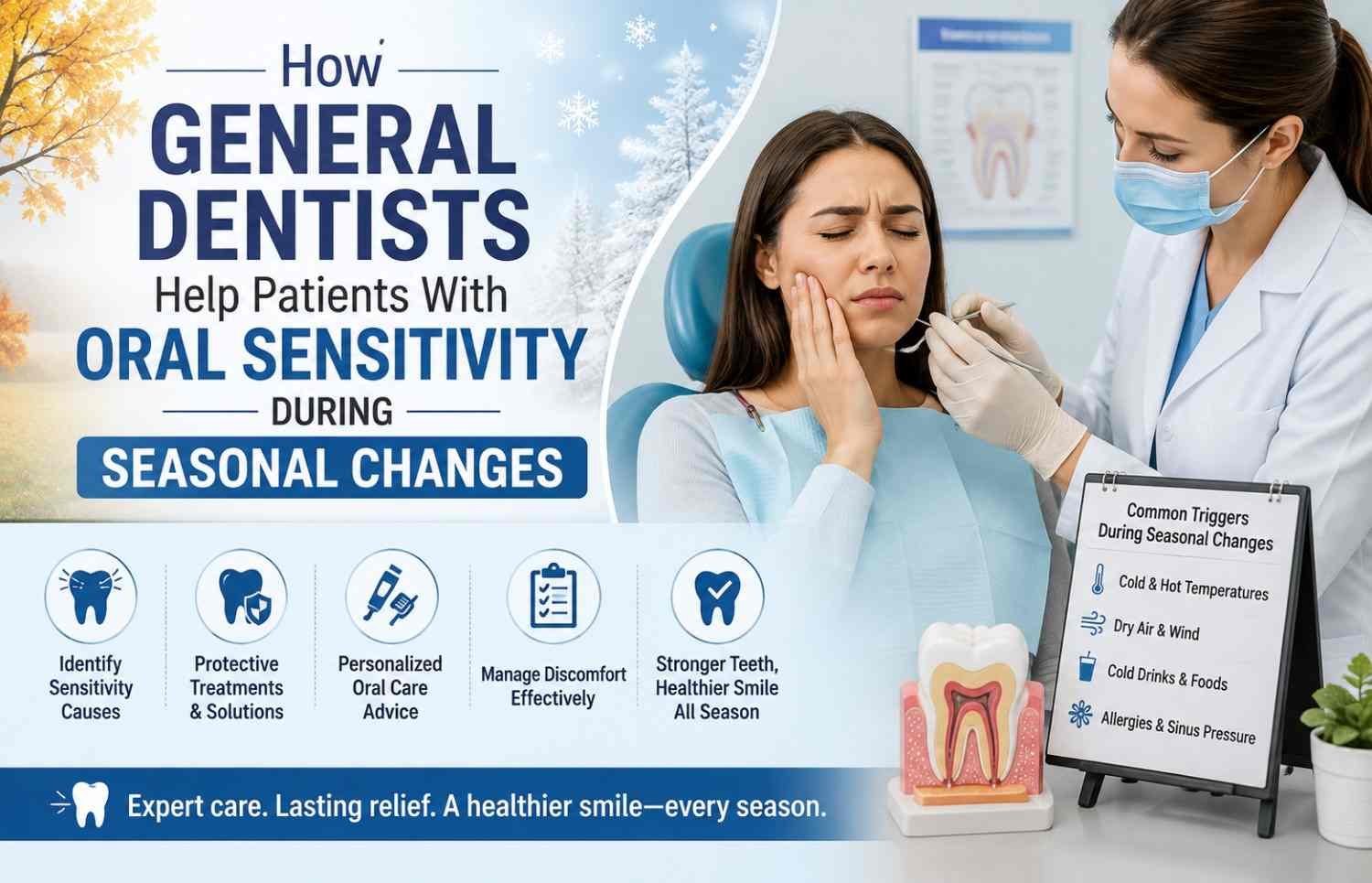
You might notice it first with a sip of cold water, a breath of crisp air, or even a warm drink that suddenly feels too sharp against one tooth. What used to be a small annoyance can start to shape your day, making you think twice before eating, drinking, or brushing. If that sounds familiar, you are not imagining it, and you are not overreacting. Seasonal shifts can make sensitive teeth and gums feel worse, especially when colder air, dry conditions, and sinus pressure all seem to show up at once. If symptoms persist, visiting a Newburgh dental implant dentist may help identify underlying issues and recommend the right treatment.
The good news is that a general dentist can help you sort out what is causing that discomfort and guide you toward relief. Sometimes the answer is as simple as changing products or brushing habits. Other times, sensitivity points to gum recession, enamel wear, tooth decay, or inflammation that needs care sooner rather than later. When people talk about How General Dentists Help Patients With Oral Sensitivity During Seasonal Changes, that is really what they mean. They help you move from guessing to knowing, and from flinching to feeling more at ease.
Why do seasonal changes make tooth and gum sensitivity feel worse?
Seasonal changes can affect your mouth in ways that are easy to miss. Cold air may trigger pain in exposed dentin, which is the layer under enamel. Dry winter air and indoor heating can reduce moisture in your mouth, and that matters because saliva helps protect teeth. Allergy seasons can also play a part. When your sinuses are inflamed, pressure in the upper jaw can feel a lot like tooth pain, which can leave you wondering what is really going on.
Because of that, oral sensitivity is not always just one problem. You may be dealing with worn enamel from grinding, a cavity that has become more noticeable, or gums that have pulled back and exposed the root surface. According to MedlinePlus information on tooth sensitivity, common causes include tooth decay, cracked teeth, worn fillings, gum disease, and brushing too hard. So, where does that leave you if every season seems to bring the same pain back?
It leaves you in a place where a careful exam matters. A general dentist can look at the full picture instead of treating every twinge like it has the same cause. That is often the turning point for people dealing with seasonal tooth sensitivity treatment concerns, because relief depends on knowing whether the issue is temporary irritation or a sign of deeper damage.
What can a general dentist do when oral sensitivity keeps coming back?
A dentist will usually start with questions that sound simple but reveal a lot. Is the pain worse with cold, heat, sweets, or pressure? Did it start after whitening, a recent filling, or a change in weather? Do you clench your jaw when stressed? Those details help narrow down the cause.
From there, treatment depends on what the exam shows. If enamel wear is the issue, your dentist may suggest a desensitizing toothpaste, fluoride treatment, or a bonding material to cover exposed areas. If gum recession is involved, a deep cleaning may help if gum disease is present. The American Dental Association explains how scaling and root planing can remove bacteria below the gumline and support gum health when inflammation is part of the problem.
Sometimes the problem is decay or a cracked tooth that reacts more during seasonal changes. In that case, a filling, crown, or other repair may be the real answer. If your symptoms seem tied to dry mouth, medication side effects, or a health condition, your dentist may also point you toward trusted resources such as the National Institute of Dental and Craniofacial Research oral health information so you can understand the bigger picture.
Should you try home care first or see a dentist for sensitive teeth?
Home care can help, but it has limits. If sensitivity is mild and short lived, simple changes may calm things down. If it keeps returning, gets stronger, or is focused on one tooth, waiting too long can make treatment more involved and more expensive.
| Approach | May Help With | Limits | When It Makes Sense |
|---|---|---|---|
| Desensitizing toothpaste | Mild sensitivity from exposed dentin or whitening | Can take several weeks, will not fix decay or cracks | Early symptoms across several teeth |
| Softer brushing and fluoride rinse | Enamel wear, gum irritation, prevention | Relief may be modest if damage already exists | Daily support and prevention |
| Professional dental exam | Cavities, gum recession, cracked teeth, bite issues | Requires an appointment and possible follow up care | Persistent, sharp, or one sided pain |
| General dentist treatment | oral sensitivity during seasonal changes, gum disease, restorations, exposed roots | Depends on finding the true cause first | When symptoms affect eating, drinking, or brushing |
That comparison matters because many people assume sensitivity is something they just have to live with. Often, they do not. A general dentist can tell the difference between irritation that needs support and damage that needs treatment.
What can you do right now if seasonal oral sensitivity is affecting your day?
1. Track your triggers. Pay attention to whether cold air, hot drinks, sweets, or brushing set off the pain. Notice if it is one tooth or several. That pattern can help your dentist find the cause faster.
2. Change how you brush. Use a soft bristle brush, gentle pressure, and a toothpaste made for sensitivity. Brushing harder will not clean better, but it can wear enamel and irritate gums.
3. Do not ignore pain that lingers. If the discomfort keeps coming back each season, wakes you up, or feels sharp in one spot, schedule a dental visit. Recurring sensitivity often responds best to general dentist care because the cause is not always visible to you at home.
Also Read: How Forensic Accountants Assist With Shareholder Disputes
When does sensitivity stop being a nuisance and start being a warning sign?
If sensitivity lasts more than a few days, grows more intense, or comes with swelling, bleeding gums, or pain when biting, it is time to take it seriously. You should also seek care if a tooth feels suddenly sensitive after trauma, whitening, or dental work. These patterns can point to problems that are easier to treat early.
Seasonal discomfort can feel frustrating because it comes and goes, which makes it easy to put off. Still, your mouth is usually telling you something useful. Whether the issue is enamel wear, gum disease, dry mouth, or a hidden cavity, answers are available, and relief often starts with a simple exam.
You do not have to keep planning your meals, drinks, or mornings around that sharp sting. If oral sensitivity has become part of every weather shift, consider scheduling a visit with a general dentist and getting clear guidance on what your teeth and gums need next.