NeilKant
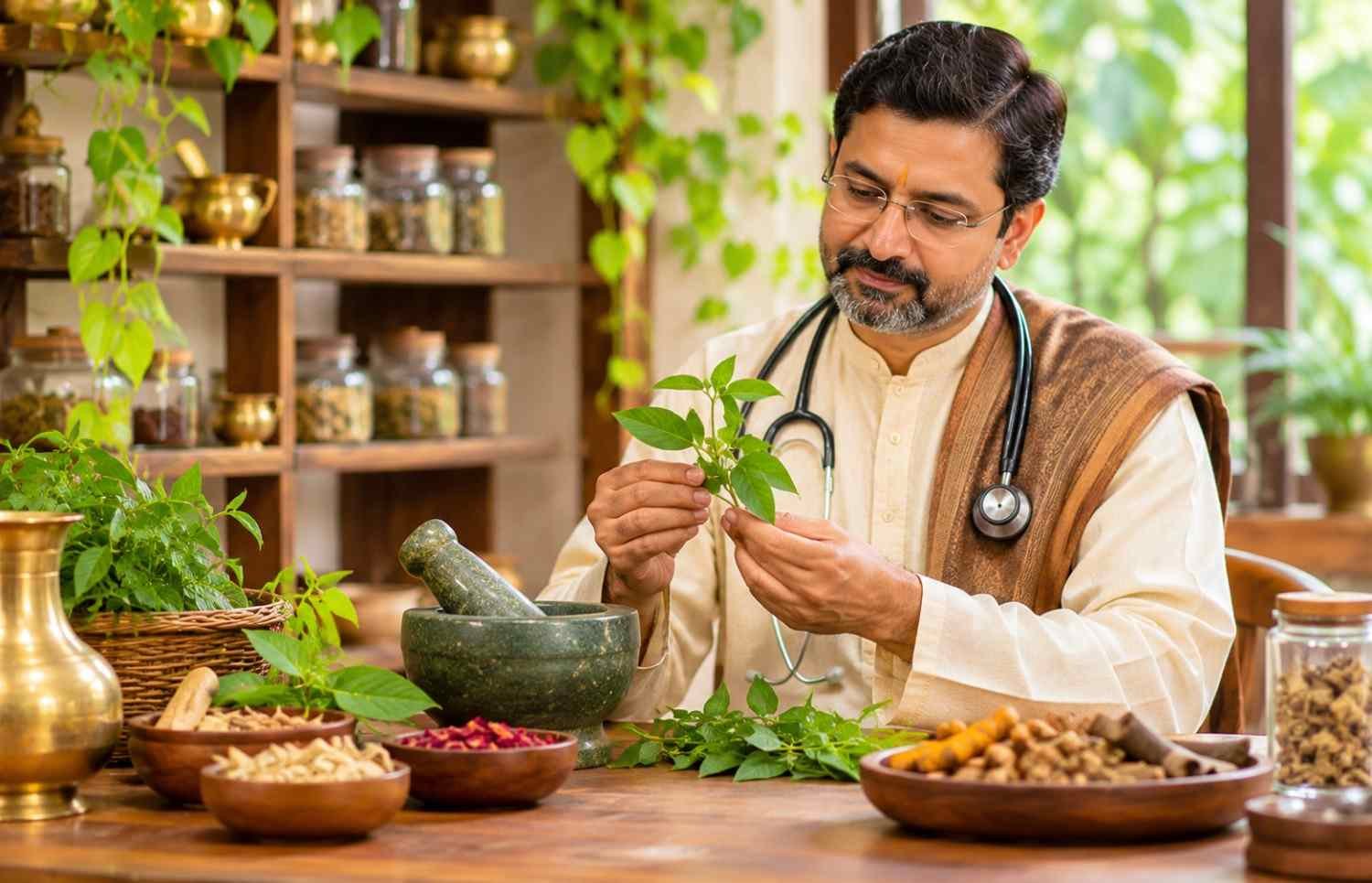
Ayurveda has been a trusted system of traditional Indian medicine for centuries. It focuses on maintaining balance between the body, mind, and natural elements through diet, lifestyle changes, herbal medicines, and therapeutic treatments. Among its many therapies, Panchakarma holds a special place because it is designed to support the body’s natural cleansing processes and restore overall balance.
Today, many people are exploring Panchakarma treatment in Lucknow to address lifestyle-related health concerns, improve general wellness, and experience traditional Ayurvedic therapies. From digestive discomfort and stress to muscle stiffness and poor sleep, Panchakarma is often considered as part of a personalised Ayurvedic healthcare plan.
However, understanding its procedures, potential benefits, and suitability is important before beginning treatment. Let’s explore everything you should know about Panchakarma and how an experienced Ayurvedic professional can guide you.
What Is Panchakarma Treatment?
Panchakarma is a traditional Ayurvedic detoxification and therapeutic approach. The word Panchakarma comes from two Sanskrit words: ‘Pancha’, meaning five, and ‘Karma’, meaning actions or procedures.
Traditionally, Panchakarma includes five principal therapeutic procedures intended to remove accumulated impurities, support the body’s functional balance, and promote well-being.
Unlike general spa treatments, Panchakarma is a medically supervised Ayurvedic process. The treatment plan depends on an individual’s health condition, body constitution (Prakriti), digestive strength, age, and overall physical condition.
People looking for the best ayurvedic clinic in Lucknow should prioritise a centre that offers proper health assessment, qualified practitioners, hygienic facilities, and individualised treatment plans rather than choosing therapies based only on promotional claims.
Five Main Procedures of Panchakarma
Panchakarma involves five traditional procedures. Not every patient requires all five treatments. An Ayurvedic doctor determines the appropriate approach after evaluating the individual’s health.
1. Vamana (Therapeutic Emesis)
Vamana is a traditional Ayurvedic procedure involving medically supervised therapeutic vomiting. It is primarily associated with managing conditions involving an aggravated Kapha dosha.
In classical Ayurveda, this procedure is performed after appropriate preparation using specific medicines and therapies.
It may be considered in selected cases involving certain respiratory or Kapha-related complaints. However, it is not suitable for everyone and must only be performed under qualified medical supervision.
2. Virechana (Therapeutic Purgation)
Virechana is a controlled purgation procedure that traditionally aims to eliminate accumulated Pitta-related impurities through the digestive tract.
Ayurvedic practitioners may consider it for selected digestive and Pitta-related health concerns.
Before recommending Virechana, the practitioner evaluates the patient’s digestive health, hydration, strength, and medical history. Appropriate preparation and post-treatment care are essential.
3. Basti (Medicated Enema Therapy)
Basti is an important Panchakarma procedure involving the administration of specially prepared medicated oils or herbal decoctions through the rectal route.
It is traditionally associated with balancing Vata dosha.
Ayurvedic practitioners may recommend Basti for selected individuals experiencing joint discomfort, stiffness, digestive irregularities, or certain musculoskeletal concerns.
The type, ingredients, and duration of Basti depend on the patient’s condition.
4. Nasya (Nasal Administration)
Nasya involves administering prescribed herbal oils or preparations through the nasal passages.
In Ayurveda, this therapy is traditionally used for conditions involving the head, neck, and sensory organs.
It may be considered for selected complaints such as nasal discomfort, certain sinus-related symptoms, and head-related concerns.
The treatment should be performed using appropriate preparations and techniques under professional guidance.
5. Raktamokshana (Bloodletting Therapy)
Raktamokshana is a traditional Ayurvedic procedure involving the removal of a controlled amount of blood in selected circumstances.
It is described in classical Ayurveda for certain Pitta and blood-related conditions.
This procedure is not appropriate for routine detoxification. It carries risks, including infection and bleeding, and should only be considered by appropriately qualified practitioners where legally permitted.
Major Benefits of Panchakarma Treatment
Panchakarma is often chosen by people interested in traditional Ayurvedic wellness and personalised healthcare. Its potential benefits depend on the selected procedures, individual health conditions, and the quality of medical supervision.
Here are some commonly discussed benefits:
1. Supports Digestive Health
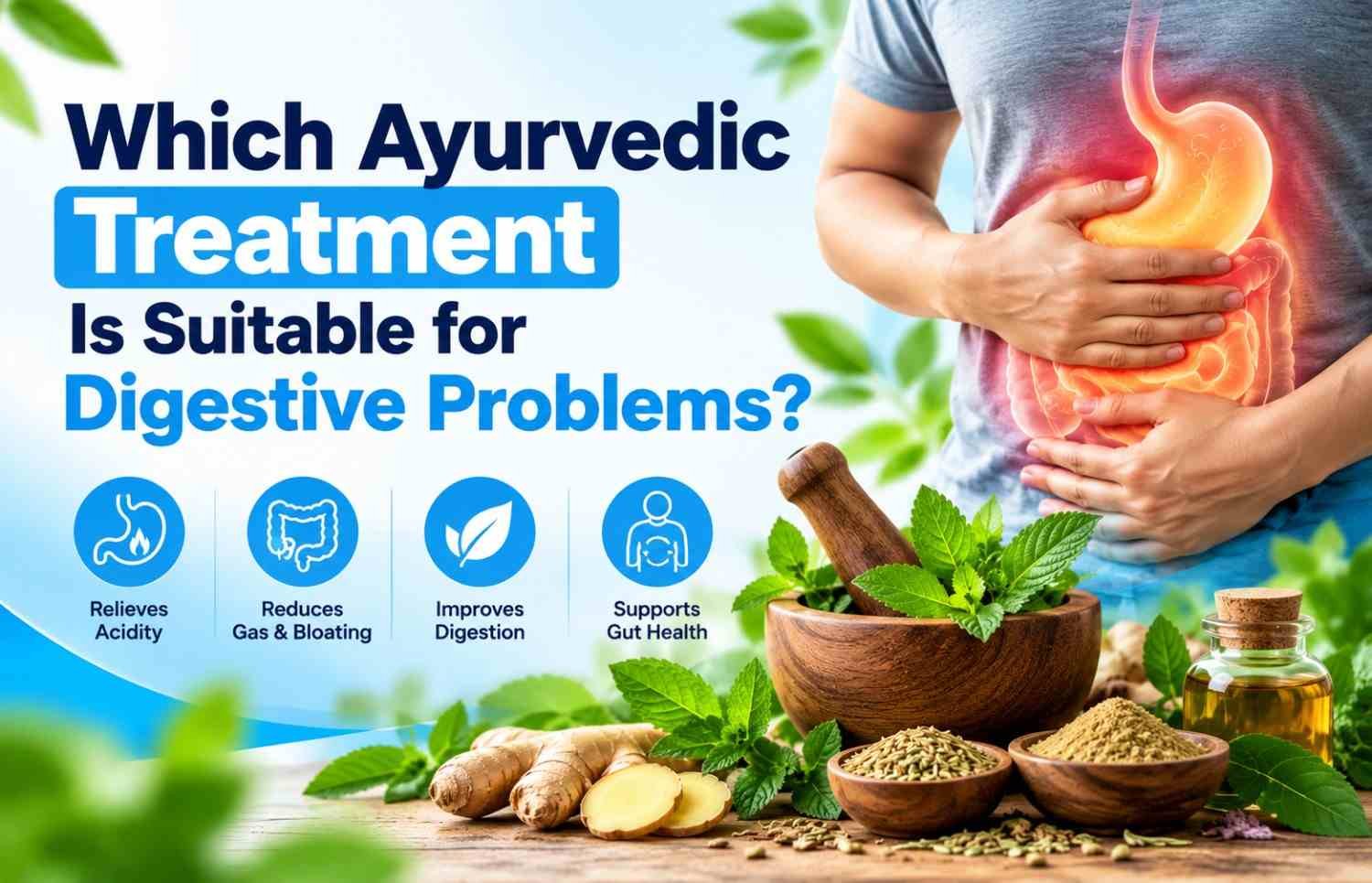
Digestive discomfort, irregular bowel movements, bloating, and poor appetite can affect everyday life. Certain Ayurvedic therapies are traditionally used to support digestive function and improve daily eating habits.
A personalised Panchakarma programme may also include dietary recommendations and lifestyle adjustments.
2. Promotes Relaxation and Stress Management
Modern lifestyles often involve long working hours, irregular sleep, and continuous mental pressure.
Some Panchakarma-associated therapies, such as Abhyanga (therapeutic oil massage) and Shirodhara (controlled pouring of liquid over the forehead), are used in Ayurveda to encourage relaxation.
These therapies may help people feel calmer and support their general sense of well-being.
3. Helps Manage Muscle Stiffness and Joint Discomfort
Certain Ayurvedic procedures are traditionally recommended for individuals experiencing stiffness, restricted movement, and musculoskeletal discomfort.
Treatments such as Basti, Abhyanga, and other specialised therapies may form part of an individualised care plan.
However, Panchakarma should not replace appropriate medical evaluation or evidence-based treatment for arthritis, injuries, or other joint disorders.
4. Encourages Better Lifestyle Habits
Panchakarma programmes commonly include dietary guidance, adequate rest, and daily routine recommendations.
These changes can encourage healthier habits, including regular meal timings, improved sleep routines, and mindful eating.
5. Supports Overall Wellness
One of the main objectives of Ayurveda is maintaining balance within the body.
When combined with suitable nutrition, physical activity, and healthy daily habits, selected Ayurvedic therapies may contribute to a person’s overall wellness experience.
It is important to understand that claims about Panchakarma removing toxins, curing chronic diseases, or preventing all illnesses are not established by strong scientific evidence.
Who Needs Panchakarma Treatment?
Panchakarma is not a general treatment that everyone needs. It is usually considered after an individual health assessment.
An experienced ayurvedic doctor in Lucknow can help determine whether these therapies are appropriate based on medical history, current symptoms, age, and physical condition.
People who may explore Ayurvedic consultation for Panchakarma include:
- Individuals experiencing digestive discomfort: People with recurring bloating, irregular bowel habits, or digestive complaints may benefit from a proper medical assessment and suitable dietary guidance.
- People dealing with stress: Individuals experiencing work-related stress, tiredness, and sleep difficulties may explore relaxation-focused Ayurvedic therapies.
- People experiencing muscle stiffness: Selected therapies may be considered as complementary support for certain musculoskeletal complaints.
- Individuals seeking personalised wellness guidance: People interested in improving their daily routines, dietary habits, and general well-being may consult an Ayurvedic practitioner.
- People with recurring lifestyle-related concerns: Those experiencing ongoing discomfort should first identify the underlying cause before choosing any detoxification programme.
Panchakarma may not be appropriate during pregnancy, severe weakness, dehydration, acute illness, or certain chronic medical conditions. Older adults and people taking regular medications also require careful assessment.
What Happens During a Panchakarma Treatment Programme?
A traditional Panchakarma programme generally involves three stages. The exact duration and procedures vary depending on individual requirements.
Stage 1: Purva Karma (Preparation)
Purva Karma prepares the body for the main therapeutic procedures.
It may include:
- Snehana: Internal or external oleation using prescribed oils or fats.
- Swedana: Therapeutic sweating through suitable methods.
- Dietary adjustments according to the practitioner’s recommendations.
The purpose is to prepare the body before the main procedure.
Stage 2: Pradhana Karma (Main Treatment)
This is the principal stage, during which the selected Panchakarma procedure is performed.
Depending on the patient’s condition, the practitioner may recommend Vamana, Virechana, Basti, Nasya, or another suitable therapeutic approach.
Not every person undergoes all five procedures.
Stage 3: Paschat Karma (Post-Treatment Care)
Post-treatment care is an important part of the traditional Panchakarma process.
It may involve:
- Following a prescribed diet.
- Gradually returning to regular meals.
- Avoiding excessive physical exertion.
- Maintaining adequate rest.
- Following recommended lifestyle practices.
Following professional instructions helps ensure that the treatment programme is completed appropriately.
How to Choose the Right Panchakarma Centre in Lucknow?
Choosing an appropriate Ayurvedic centre is an important step towards receiving safe and personalised care.
Here are some factors to consider before selecting a clinic:
1. Qualified Ayurvedic Practitioners: Check the qualifications, registration, and clinical experience of the doctor responsible for your treatment.
2. Personalised Treatment Plans: Every individual has different health requirements. Avoid centres that recommend identical Panchakarma procedures to every patient.
3. Hygiene and Safety: Treatment rooms, equipment, oils, and other materials should be maintained according to appropriate hygiene standards.
4. Proper Health Assessment: A reliable centre should review your medical history, medications, allergies, and existing health conditions before recommending treatment.
5. Transparent Treatment Information: Ask about the procedures, expected duration, possible side effects, costs, and aftercare requirements.
If you are searching for the best ayurvedic clinic in Lucknow, focus on professional qualifications, patient safety, and responsible medical guidance rather than guaranteed results or unrealistic treatment claims.
Why Consult an Experienced Ayurvedic Doctor in Lucknow?
Panchakarma involves specialised procedures that require proper knowledge of Ayurvedic principles and patient assessment.
An experienced ayurvedic doctor in Lucknow can evaluate your health concerns, understand your individual constitution, and recommend suitable therapies when appropriate.
Professional consultation is particularly important for people with diabetes, high blood pressure, heart conditions, kidney or liver disorders, and other long-term health concerns.
Always inform your practitioner about existing medications and treatments. Do not discontinue prescribed medicines or delay necessary medical care in favour of Panchakarma.
Conclusion
Panchakarma is an important part of traditional Ayurvedic healthcare, involving five specialised therapeutic procedures designed to support balance and well-being. From Vamana and Virechana to Basti, Nasya, and Raktamokshana, each procedure has a different purpose and requires appropriate professional supervision.
If you are considering Panchakarma treatment in Lucknow, begin with a detailed consultation instead of choosing a detox programme without medical guidance. Selecting a reputable Ayurvedic centre and following an individualised treatment plan can help you make informed decisions about your health.
With proper assessment, suitable therapies, healthy eating habits, and consistent lifestyle practices, Ayurveda can be explored as a complementary approach to maintaining overall wellness.