NeilKant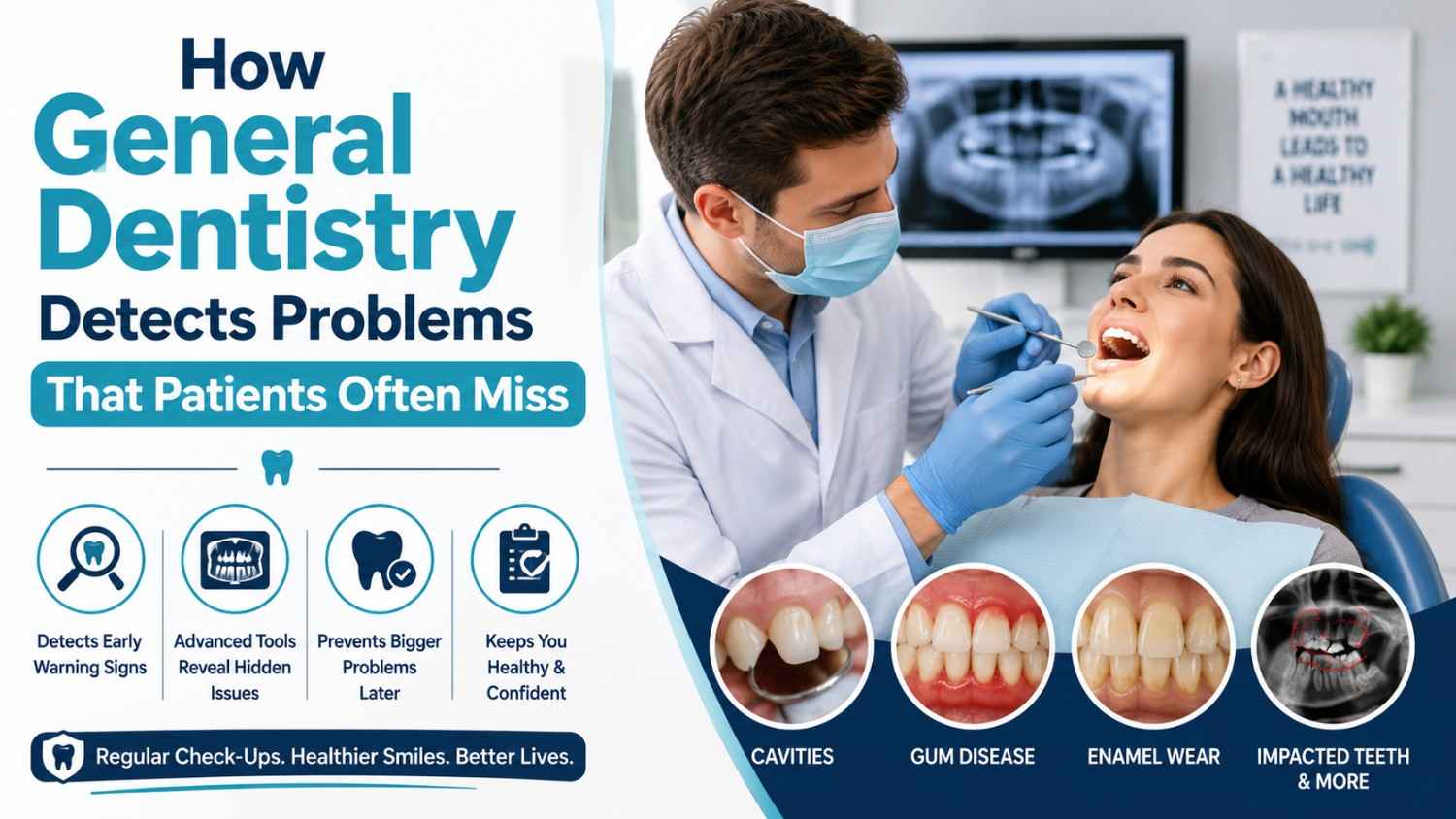
You might be feeling a little torn about your teeth right now. On one hand, nothing really hurts, so it is easy to tell yourself everything is probably fine. On the other hand, there is that small worry in the back of your mind about a tooth that feels a bit sensitive, gums that bleed when you floss, or a checkup with a dentist in Northbrook, IL you have been putting off for longer than you meant to.end
It often starts quietly. A cold drink stings a little. You ignore it. Months later, you are suddenly in real pain, sitting in a dental chair, wondering how things got so bad so fast. That jump from “I think I am okay” to “How did I end up needing a root canal” can feel shocking and unfair.
This is where how general dentistry detects problems that patients often miss becomes so important. Regular checkups are not just about cleaning your teeth. They are about catching tiny changes, long before you can see or feel them. When you understand what your dentist is actually looking for, those visits start to feel less like a chore and more like a quiet safety net.
So where does that leave you if you are not in pain, but you are not fully confident either? That is exactly what you are about to sort through. You will see what general dentists catch early, why people tend to overlook those signs, and what simple steps you can take to stay ahead of problems instead of chasing them later.
Why do patients miss dental problems that a general dentist can see?
Most dental problems start out almost invisible. Early cavities are often painless. Gum disease can begin with a little redness that you barely notice. Small cracks in teeth may not hurt at all until the damage is much deeper.
Because of this, many people use pain as their only “alarm system.” If it does not hurt, it must be fine. The trouble is that pain usually shows up late in the process, when the problem is bigger, more expensive, and more stressful to fix.
Think about a few common situations.
You brush every day, but skip flossing when you are tired. Your gums bleed sometimes, then stop, so you assume they healed. In reality, early gum disease can flare and quiet down, while the bone around your teeth slowly changes underneath.
Or you notice a little dark line between two back teeth. You tell yourself it is just a stain. You get used to it. Months later, your dentist finds a cavity there that has been growing in the tiny space you cannot properly see or clean.
There is also the emotional side. Many people avoid general dental care because they feel ashamed, anxious, or worried about cost. You might think, “If I do not know, I do not have to deal with it yet.” That is very human. Unfortunately, time almost never makes dental problems cheaper or easier. It usually does the opposite.
If any of this sounds familiar, you are not alone. According to the American Dental Association, regular exams and cleanings are still one of the most effective ways to prevent bigger issues. You can read more about what to expect at routine visits on the ADA’s MouthHealthy guide to seeing the dentist.
What exactly do general dentists catch before you feel it?
A good general dentist is trained to spot patterns and tiny warning signs that most people never see. This is where early dental problem detection really matters.
Here are some of the main things they look for during a routine exam.
1. Early tooth decay you cannot feel yet
Small cavities often start as faint white or brown spots on the enamel. They may be hiding between teeth or under old fillings. With bright lights, X rays, and experience, your dentist can see these early changes and talk about how to stop or slow them before they become large holes that need more serious treatment.
In some cases, early decay can even be managed or reversed with better home care, fluoride, and diet changes. The ADA explains how early cavities can sometimes be controlled without drilling in their article on how to reverse early tooth decay and when to visit a dentist.
2. Gum disease that is still quiet
Healthy gums do not bleed when you brush or floss. If they do, even a little, that can be an early sign of inflammation. Your dentist and hygienist measure the spaces around your teeth, look for swelling, and check for tartar buildup under the gumline. They can see patterns you cannot, such as areas where the bone may be starting to recede.
3. Cracks, wear, and bite issues
You may not notice that you grind your teeth at night, but your dentist can often see flat edges, small fractures, or chipped fillings that suggest heavy biting forces. Catching this early can prevent larger fractures that lead to emergencies or extractions.
4. Oral cancer and other serious conditions
During a routine exam, your general dentist also checks your tongue, cheeks, palate, and throat. They look for spots, lumps, or changes in tissue that you would likely overlook. Many of these changes are harmless, but some are not. Early detection of oral cancer can be life saving, and it often starts with a simple visual exam.
5. Hidden problems under old dental work
Fillings and crowns do not last forever. Tiny gaps can form at the edges where bacteria sneak in. Your dentist uses X rays and careful inspection to spot these issues before they turn into larger infections.
You might wonder how much training goes into this kind of everyday detective work. General dentists complete years of education and are often the first line of defense for your overall oral health. The American Dental Association offers a clear overview of what general dentists are trained to do in their introduction to dentistry.
DIY “wait and see” vs early general dental care
When you are trying to be careful with money or you feel nervous about treatment, it is natural to compare “waiting it out” with seeing a general dentist sooner. A simple way to think about it is to compare short term comfort with long term stability.
| Approach | What it feels like now | Common risks | Typical benefits |
|---|---|---|---|
| “Wait and see” on your own | No appointment to schedule. No immediate cost. Feels easier to ignore small worries. | Problems grow quietly. Higher chance of pain, emergencies, and costlier treatments later. | Works only if there truly is no problem. That is hard to know without an exam. |
| Regular care with a general dentist | Some time and cost now. You face your worries directly with support. | Short term discomfort about visiting. Occasional minor treatments before you feel symptoms. | Earlier detection. Lower chance of emergencies. Often lower total cost over time. |
In real life, this often looks like a choice between a small filling now or a root canal and crown later. Or a deep cleaning now instead of gum surgery in the future. Early attention does not guarantee you will never need bigger work, but it significantly improves your odds.
Three practical steps you can take right now
1. Schedule a “no drama” checkup and be honest about your worries
If it has been more than a year since your last visit, call a general dental office and book an exam and cleaning. When you arrive, tell the team exactly how long it has been and what you are nervous about. A good practice will meet you where you are, not judge you for the past.
Ask them to walk you through what they see on your X rays and in your mouth. Understanding the “why” behind each recommendation makes decisions feel more grounded and less scary.
2. Use home care as a daily “micro checkup”
Pay attention during your normal routine. When you brush and floss, notice if any spots bleed, feel rough, or seem more sensitive than before. Make a short note on your phone. Bring that list to your appointment. Small patterns over time can give your dentist helpful clues.
At home, the basics still matter most. Brush twice a day with fluoride toothpaste. Floss once a day. Limit frequent sipping on sugary drinks. These small habits support what your dentist is trying to protect during checkups.
Also Read: 3 Key Benefits Of Partnering With A Tax Firm When You’re Tired Of Doing It Alone
3. Plan financially so small problems never become financial shocks
Part of the stress around dental visits is money. Instead of waiting until something hurts, plan a simple yearly routine. One or two checkups per year, plus a small monthly amount set aside for possible minor treatments, can soften the impact.
Ask your dentist’s office about payment options, preventive care plans, or how they prioritize treatment. Many practices can spread needed work over time, starting with what is most urgent, so you are not overwhelmed all at once.
Moving forward with more confidence about your oral health
You do not have to be perfect with your teeth to stay healthy. You only need a clear picture of what is happening in your mouth and a plan that feels realistic for your life. That is what general dental care is really about. It is less about lecturing you and more about partnering with you so small, silent problems do not have the chance to grow into painful surprises.
If you have been putting off a visit because you are afraid of what a dentist might find, remember this. Whatever is there is already there. Seeing a dentist does not create problems. It simply shines a light on them early enough that you can still choose simpler, calmer solutions.
Your next step is simple. Choose a general dentist you feel you can talk to. Schedule an exam. Bring your questions. From there, you and your dental team can work together to protect your smile in a way that respects your comfort, your schedule, and your budget.