NeilKant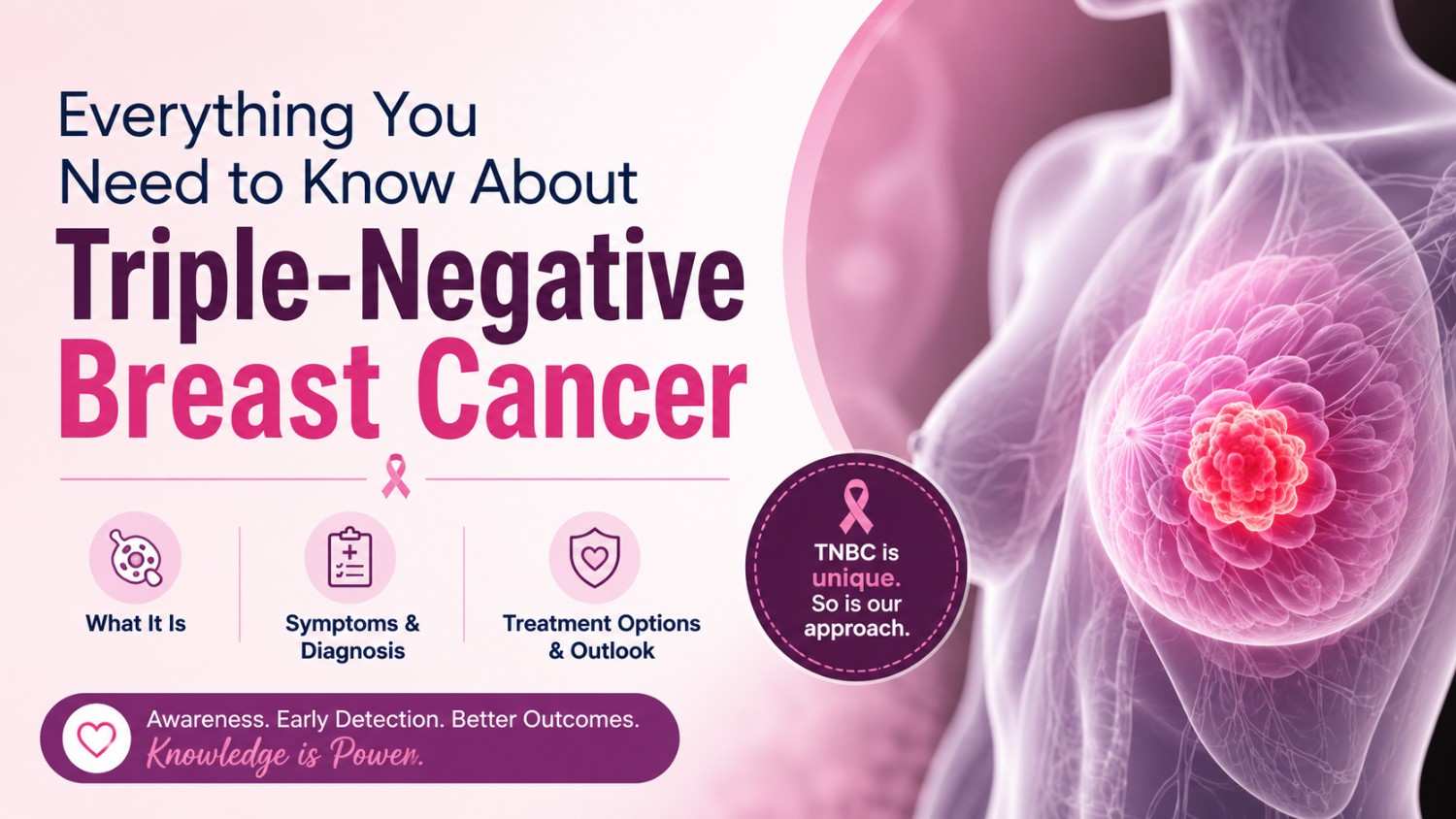
Breast cancer is one of the most common cancers affecting women worldwide. While many people are familiar with breast cancer in general, fewer understand the different subtypes of the disease. One of the most aggressive and challenging forms is Triple-Negative Breast Cancer (TNBC).
A diagnosis of triple-negative breast cancer can feel overwhelming, but advances in medical science have significantly improved treatment outcomes. Understanding the condition, its symptoms, risk factors, diagnosis, and treatment options can help patients and families make informed decisions about their care.
In this article, Dr. Kamlesh Verma, an experienced breast cancer surgeon in Lucknow, explains everything you need to know about triple-negative breast cancer.
What Is Triple-Negative Breast Cancer?
Triple-negative breast cancer is a type of breast cancer in which the cancer cells do not have any of the following three receptors commonly found in breast cancer:
- Estrogen receptors (ER)
- Progesterone receptors (PR)
- Human epidermal growth factor receptor 2 (HER2)
Since TNBC lacks these receptors, treatments that target hormones or HER2 proteins are not effective. As a result, treatment strategies differ from those used for other types of breast cancer.
Triple-negative breast cancer accounts for approximately 10% to 15% of all breast cancer cases and tends to grow and spread more quickly than other breast cancer subtypes.
Who Is at Risk of Triple-Negative Breast Cancer?
Although TNBC can affect anyone, certain factors may increase the risk:
1. Younger Age
Triple-negative breast cancer is more commonly diagnosed in women under the age of 50.
2. Genetic Mutations
Women with BRCA1 gene mutations have a significantly higher risk of developing TNBC.
3. Family History
A strong family history of breast or ovarian cancer may increase susceptibility.
4. Previous Breast Cancer Diagnosis
Individuals who have previously been treated for breast cancer may have a higher risk of recurrence or developing another subtype.
5. Lifestyle Factors
Obesity, lack of physical activity, and unhealthy dietary habits may contribute to an increased risk.
Symptoms of Triple-Negative Breast Cancer
The symptoms of TNBC are similar to those of other breast cancer types. Common warning signs include:
- A lump or thickening in the breast
- Changes in breast size or shape
- Persistent breast pain
- Skin dimpling or puckering
- Redness or swelling of the breast
- Nipple discharge, especially if bloody
- Inverted nipple
- Swollen lymph nodes under the arm
Because TNBC often grows rapidly, it is important not to ignore any unusual breast changes.
How Is Triple-Negative Breast Cancer Diagnosed?
Early diagnosis plays a critical role in improving treatment outcomes.
Clinical Breast Examination
A healthcare provider examines the breasts and surrounding lymph nodes for abnormalities.
Mammography
A mammogram can help detect suspicious masses or changes in breast tissue.
Breast Ultrasound
Ultrasound imaging helps evaluate lumps and determine whether they are solid or fluid-filled.
Breast MRI
MRI scans may be recommended in certain cases for a more detailed assessment.
Biopsy
A biopsy is the definitive method for diagnosing breast cancer. A tissue sample is collected and analyzed in a laboratory.
Receptor Testing
After the biopsy confirms breast cancer, the tumor is tested for estrogen, progesterone, and HER2 receptors. If all three are negative, the diagnosis is triple-negative breast cancer.
Stages of Triple-Negative Breast Cancer
Like other breast cancers, TNBC is classified into stages:
Stage 1
Cancer is small and confined to the breast.
Stage 2
The tumor is larger or may have spread to nearby lymph nodes.
Stage 3
Cancer has spread extensively to surrounding tissues or lymph nodes.
Stage 4
Cancer has spread to distant organs such as the lungs, liver, bones, or brain.
Early-stage diagnosis significantly improves the chances of successful treatment.
Treatment Options for Triple-Negative Breast Cancer
Although TNBC does not respond to hormone therapy or HER2-targeted therapies, several effective treatment options are available.
Surgery
Surgery is often the primary treatment.
Types of surgery include:
- Lumpectomy: Removal of the tumor while preserving most of the breast.
- Mastectomy: Removal of the entire breast.
- Lymph Node Surgery: Removal of affected lymph nodes if cancer has spread.
The choice of surgery depends on tumor size, stage, and patient preference.
Chemotherapy
Chemotherapy is one of the most important treatments for TNBC.
It may be given:
- Before surgery (neoadjuvant chemotherapy)
- After surgery (adjuvant chemotherapy)
- For advanced or metastatic disease
Many TNBC tumors respond well to chemotherapy, particularly when detected early.
Immunotherapy
Recent advances have introduced immunotherapy as a promising treatment option.
Immunotherapy helps the body’s immune system recognize and attack cancer cells more effectively. Certain patients with advanced TNBC may benefit from immunotherapy combined with chemotherapy.
Also Read: Will the International European University be a Colossal Commencement for MBBS?
Radiation Therapy
Radiation therapy uses high-energy rays to destroy cancer cells and reduce the risk of recurrence.
It is often recommended after:
- Lumpectomy
- Certain mastectomy cases
- Lymph node involvement
Targeted Therapy
Patients with BRCA gene mutations may be eligible for targeted therapies known as PARP inhibitors.
These medications specifically target cancer cells while minimizing damage to healthy tissue.
Can Triple-Negative Breast Cancer Be Cured?
Yes, many patients with early-stage TNBC can be successfully treated and achieve long-term remission.
The likelihood of cure depends on:
- Stage at diagnosis
- Tumor size
- Lymph node involvement
- Response to treatment
- Overall health of the patient
Early detection remains one of the most important factors in achieving positive outcomes.
What Is the Risk of Recurrence?
Triple-negative breast cancer has a higher risk of recurrence compared to some other breast cancer types, especially within the first three to five years after treatment.
Regular follow-up appointments are essential for monitoring recovery and detecting any signs of recurrence early.
Patients should promptly report symptoms such as:
- New breast lumps
- Persistent bone pain
- Unexplained weight loss
- Shortness of breath
- Ongoing fatigue
Tips for Reducing Breast Cancer Risk
While not all breast cancers can be prevented, healthy lifestyle choices may help reduce risk:
- Maintain a healthy weight
- Exercise regularly
- Limit alcohol consumption
- Avoid tobacco products
- Eat a balanced diet rich in fruits and vegetables
- Undergo regular breast screenings
- Consider genetic counseling if there is a strong family history
Why Choose CareMyCancer for Breast Cancer Treatment in Lucknow?
At CareMyCancer, patients receive comprehensive and personalized breast cancer care under the guidance of Dr. Kamlesh Verma, breast cancer surgeon in Lucknow.
The center focuses on:
- Early diagnosis and screening
- Advanced breast cancer surgery
- Personalized treatment planning
- Multidisciplinary cancer care
- Patient-centered support throughout treatment
With a commitment to evidence-based treatment and compassionate care, CareMyCancer helps patients navigate every stage of their breast cancer journey.
Conclusion
Triple-negative breast cancer is a unique and aggressive subtype of breast cancer that requires specialized diagnosis and treatment. While it may present challenges due to the absence of hormone and HER2 receptors, significant advancements in chemotherapy, immunotherapy, targeted therapy, and surgical techniques have improved survival rates and treatment success.
Awareness, regular screenings, and timely medical intervention are key to achieving the best outcomes. If you notice any unusual breast changes or have concerns about your breast cancer risk, consult an experienced specialist without delay.
For expert consultation and comprehensive breast cancer treatment in Lucknow, connect with Dr. Kamlesh Verma at CareMyCancer and take the first step toward informed and effective cancer care.