NeilKant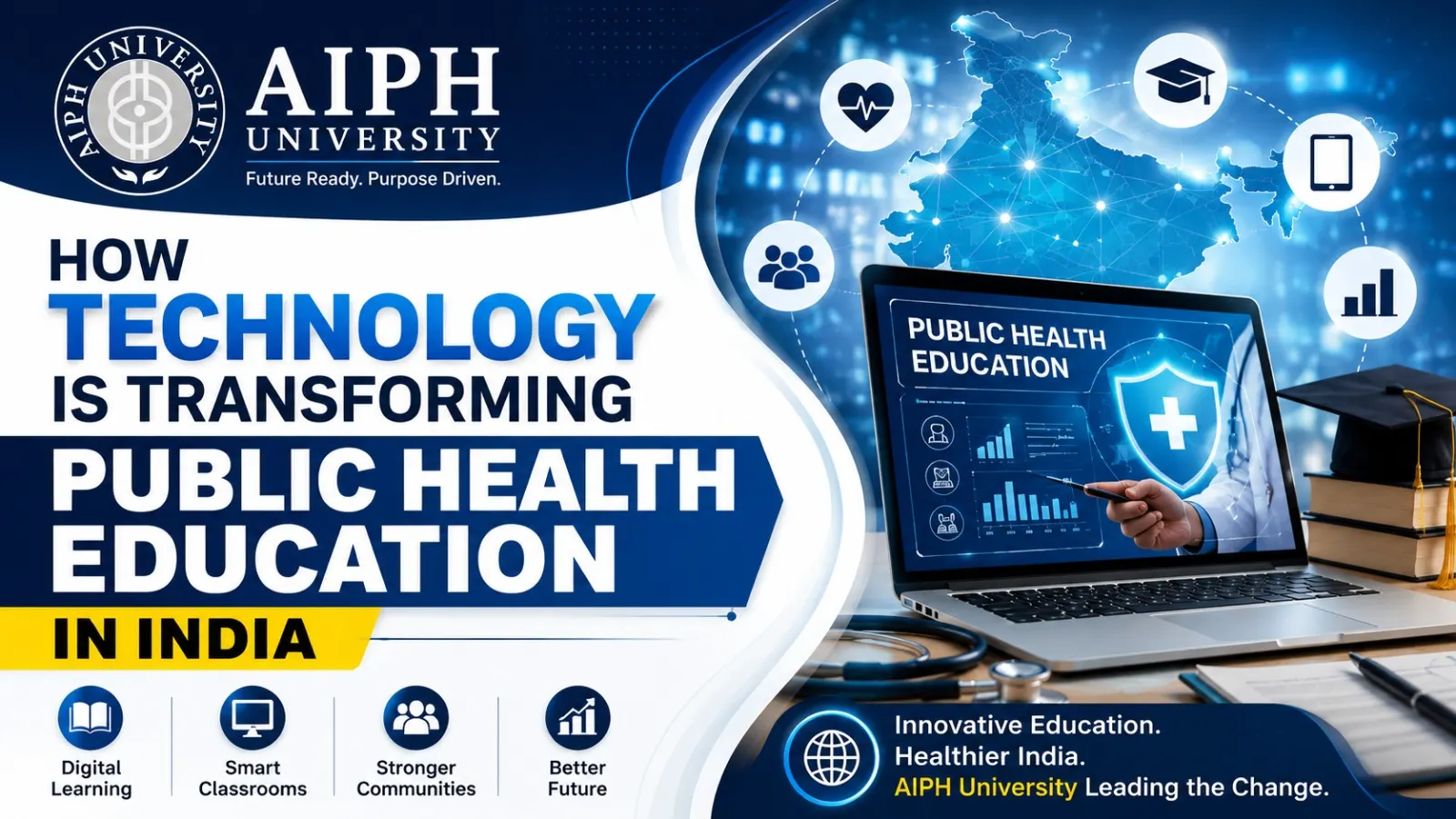
India is changing fast. Healthcare is changing even faster.
Today, students are not learning only from books. They are learning from mobile apps, virtual labs, online classes, AI tools, and real healthcare data.
This shift is making public health education in India stronger, smarter, and more practical. Students can now understand diseases, community health, data collection, and patient care in a much better way.
A few years back, many students had limited access to quality learning resources. Especially in small towns. But technology has changed that story.
Now a student sitting in Jaipur, Patna, Indore, or Guwahati can attend live classes, watch recorded lectures, work on research projects, and learn from experts online.
This is where simple digital healthcare education is making a real difference.
Technology is not replacing teachers.
It is making learning easier, faster, and more real.
Key Highlights
- Technology is making healthcare learning more practical.
- Students can now learn from anywhere in India.
- Online tools are reducing location barriers.
- Virtual labs are helping students practice safely.
- Real-time data is improving research skills.
- AI tools are helping students understand disease patterns.
- Digital platforms are supporting faster learning.
Why Public Health Education in India Needed a Digital Change
Healthcare is not just about hospitals.
It is about communities, prevention, awareness, and data.
Earlier, students mainly studied theory. They read books, attended lectures, and wrote exams. Practical exposure often came late.
But healthcare problems are changing every day. New viruses, pollution issues, nutrition problems, and lifestyle diseases need quick understanding.
That is why public health education in India needed modern learning systems.
Today students can use dashboards, case studies, and online patient simulations. They can understand real problems before entering the field.
For example, during COVID-19, many students learned disease tracking using digital dashboards. They understood infection patterns using online public data.
This created better learning and stronger confidence.
How Health Technology Courses Are Changing Student Learning
Modern classrooms look very different now.
Students are learning through videos, webinars, live discussions, and mobile applications. Many are using tablets instead of notebooks.
This is where health technology courses are creating value.
These courses teach students:
- Health data analysis
- Disease mapping
- AI-based diagnosis tools
- Patient record systems
- Telemedicine platforms
For example, a student studying epidemiology can now track disease spread using digital maps.
Instead of imagining outbreaks, they can actually see patterns.
This makes learning practical.
Also, online quizzes and instant feedback help students improve faster.
That is the power of simple digital healthcare education.
Digital Tools That Are Creating Real Impact
Many tools are now becoming part of healthcare learning.
Here are some examples:
| Technology Tool | How Students Use It | Real Benefit |
| Virtual Labs | Practice experiments online | Safe practical learning |
| AI Tools | Disease prediction studies | Better analysis |
| Learning Apps | Watch lectures anytime | Flexible learning |
| Health Dashboards | Study live health data | Real-world exposure |
| Research Software | Data collection and reports | Better research skills |
These tools are supporting healthcare innovation India in a big way.
For example, students in rural areas can now join live sessions using mobile internet.
Earlier this was difficult.
Today it is normal.
That is real progress.
How Technology Is Improving Research Skills
Research is a big part of healthcare learning.
Students need to understand:
- Disease trends
- Population health
- Nutrition patterns
- Environmental risks
- Medical statistics
Earlier, collecting data was slow.
Now students can collect surveys through Google Forms, mobile apps, and cloud tools.
This is helping public health research become faster and more accurate.
For example, a student working on anemia in rural women can collect responses digitally from different districts.
They can analyze results within hours.
Earlier this could take weeks.
Technology has made research smarter.
This improvement is strengthening public health education in India every year.
Real-Life Examples of Technology in Healthcare Learning
Let’s make it simple.
Imagine a student from a small town in Uttar Pradesh.
She wants to study disease prevention.
Earlier she needed to travel to big cities for exposure.
Now she can:
- Attend live expert classes
- Watch recorded case studies
- Use simulation tools
- Practice with digital reports
- Join online research communities
This is not future talk.
It is happening right now.
Another example came during COVID.
Students across India used dashboards to study infection rates, vaccination progress, and recovery trends.
This is true healthcare innovation India in action.
Learning became real.
Learning became connected.
Challenges Still Exist
Technology is helping.
But some challenges still remain.
Many students still face:
- Slow internet
- Device limitations
- Digital skill gaps
- Language barriers
- Lack of mentorship
But things are improving.
Affordable smartphones, better networks, and online communities are helping bridge these gaps.
And that makes simple digital healthcare education even more important.
Conclusion
Technology is changing healthcare education in a very practical way. It is making learning faster, smarter, and easier for students across India. From virtual labs to research tools, every digital step is creating better opportunities. The future of public health education in India looks strong because students now learn with real data, real tools, and real-world experiences.
Important Takeaways
- Technology is making healthcare education more practical.
- Students can learn from anywhere in India.
- Digital tools improve research and data analysis.
- Virtual learning gives real-world exposure.
- AI and analytics are shaping future healthcare careers.
FAQs
1. What is public health education in India?
It is the study of disease prevention, community health, healthcare systems, research, and public awareness programs in India.
2. How is technology helping healthcare students?
Technology helps through online classes, virtual labs, AI tools, digital reports, and real-time health data.
3. What are health technology courses?
These courses teach students about healthcare software, medical data, digital diagnostics, and healthcare systems.
4. Why is digital learning important in healthcare?
It gives faster access to knowledge, practical exposure, and better research opportunities.
5. Is digital healthcare learning useful for rural students?
Yes. With internet access and mobile devices, rural students can now access quality healthcare education from anywhere.